I spent 20 years climbing the corporate ladder at Shell and BP, doing everything "right." I learned to code-switch. I learned to be smaller in rooms where I needed to be bigger. I learned to smile through the double bind: be ambitious but not too ambitious, be confident but not threatening, be a woman but not too much of one. At 35, when I returned to work post my only pregnancy, something shifted.
I didn't just see the broken rung in the data. I felt it in my bones. The system wasn't rejecting me because I wasn't good enough. It was rejecting me because I was trying to climb a ladder that was never designed to hold me. At 39, I made my choice: "I'll take door #3 and create my own table."
And I see it happening not just for me but many men and women alike.
The Privilege and the Pattern
I know what I did came from privilege. Not everyone has the financial runway to leave at 39. Not everyone has the network, the savings, the confidence that comes from decades in executive roles. I'm not going to pretend otherwise. But here's what I'm watching: the conditions that made my exit a luxury are rapidly becoming a necessity.
COVID forced remote work from a perk to a baseline.
Companies that swore they needed bodies in seats suddenly discovered they didn't. The return-to-office mandates that were supposed to reassert control have instead accelerated departures. Rising operational costs are pushing companies toward fractional models not out of enlightenment, but out of desperation. They need to cut overhead. Fractional work lets them do it. The market is changing. Not because corporate America suddenly got woke. Because corporate America is broke.
This is where the real work is being done. Not in the corner offices where women are still fighting for scraps of power. Not in the diversity initiatives that measure progress in percentages while the system itself remains unchanged. But in the fractional economy, it is a parallel universe where builders are creating something entirely new.
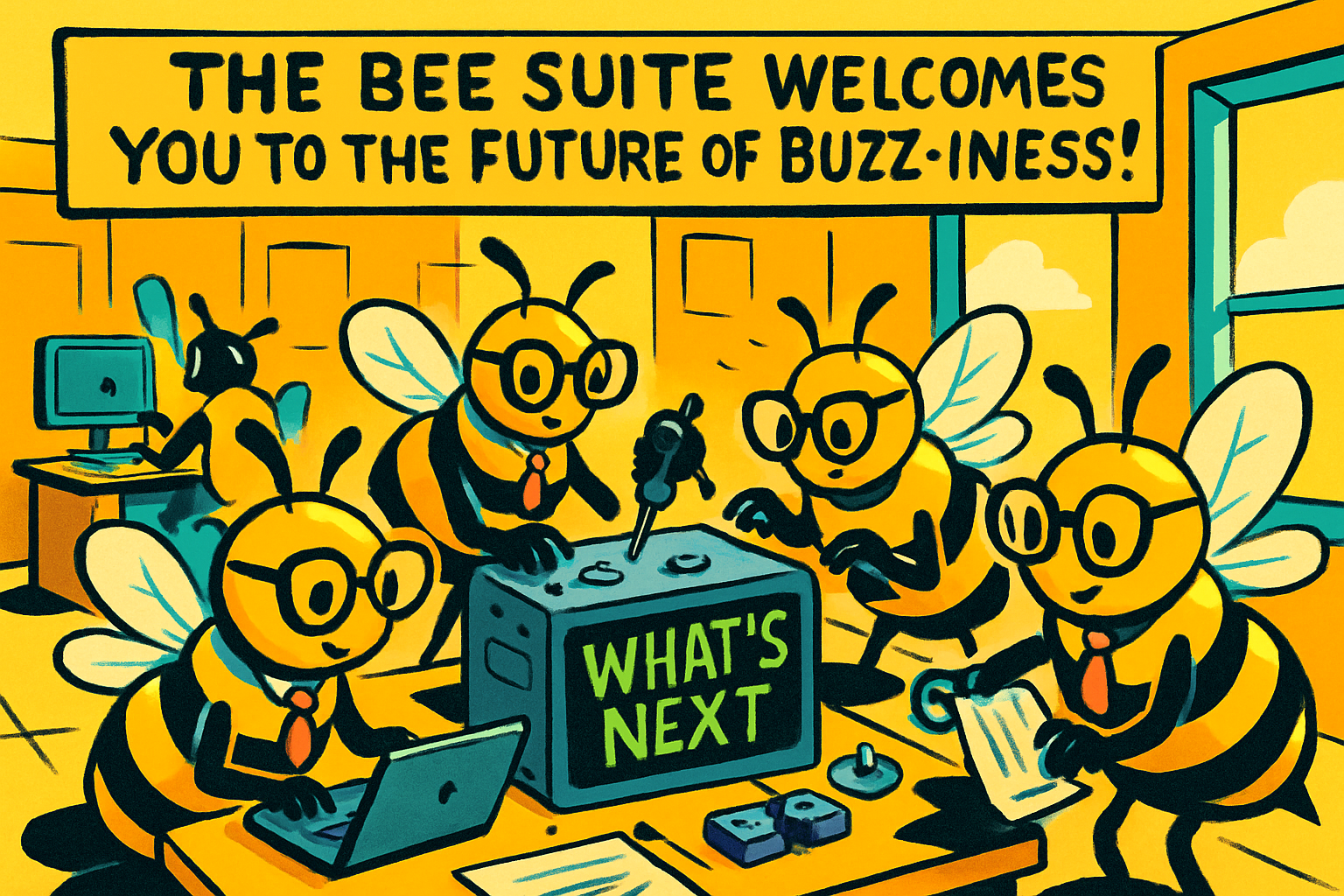
What I've created in The Bee Suite captures this perfectly. It's not a network. It's not a community. It's a collective of builders working in a synchronized purpose. And their tagline says everything: "You're not overqualified. You're overpriced for a dying model."
That's not a compromise. That's a revolution.
Women in fractional roles command premium rates. 52.8% earn $100,000 or more annually. They're not negotiating for 23 cents on the dollar. They're building portfolio careers with multiple income streams. They're securing equity opportunities. They're designing lives that honor both ambition and sustainability—the thing corporate America said was impossible.
The Numbers Don't Lie
The fractional work market has grown 57% since 2020. By 2027, 86.5 million Americans will be freelancers—more than half the workforce. (That's a year away, folks.) Thirty percent of midsize enterprises already have fractional executives on retainer. That's not a trend. That's a structural shift.
Women are leading this exodus. And they're not leaving because they lost their ambition. They're leaving because they finally realized what ambition actually means.
Redefining Ambition
The Lean In report shows women's ambition declining. They're becoming ambitious about different things. Ambition used to mean climbing a ladder that was rigged against you. Now it means building a portfolio. It means working with clients who value your expertise instead of your gender. It means saying no to meetings that don't matter and yes to projects that do. It means equity, not just salary. It means control over your time, your energy, your life. That's no less ambitious. That's more ambitious in a completely different direction.
The Question Isn't If. It's When.
Not everyone can leave at 39. But the market is changing—COVID, remote work, and rising corporate costs are making fractional the new normal. The return-to-office mandates have backfired. The talent war is being won by companies that offer flexibility, not those that demand compliance. The question isn't whether you'll go fractional. It's when.
For some, it will be tomorrow. For others, it will be five years from now when the conditions are right. But the trajectory is clear. The fractional economy isn't the future. It's already here. And women are building it. I chose door #3 at 39. But the door is opening wider every day. And it's becoming easier for everyone to walk through. The corporate ladder is dying. The question is: what are you going to build instead?
.png)